Voices, Sensors, and Wonder: Learning Quests at Home
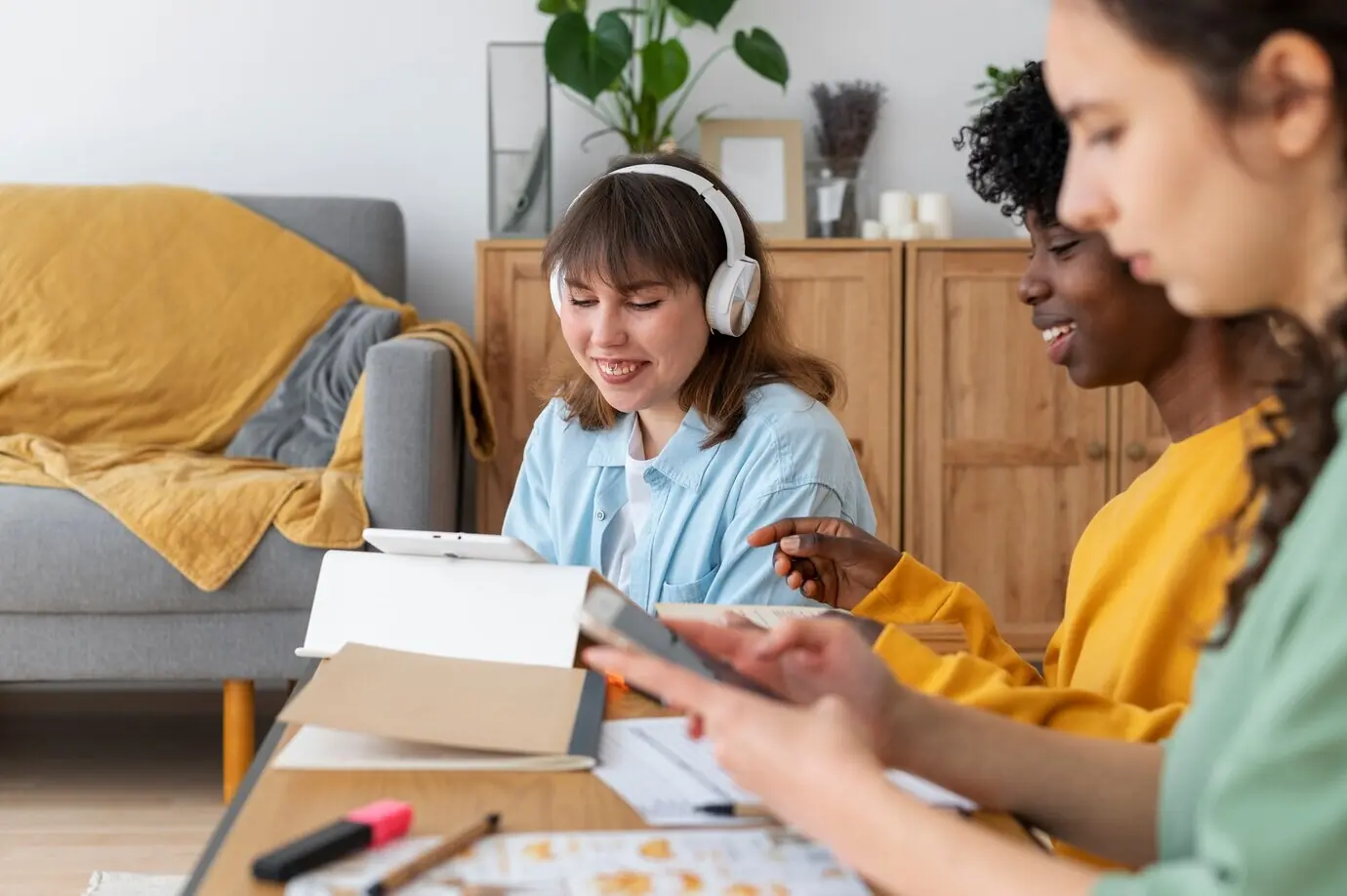
Step into an imaginative household adventure where technology gently supports curiosity. Today we explore blending IoT devices with voice-guided educational scavenger hunts at home, turning familiar rooms into playful laboratories. With smart speakers, buttons, tags, and lights orchestrating clues, children follow spoken prompts, observe, test ideas, and discover patterns. Parents gain flexible routines that adapt to attention spans, accessibility needs, and room layouts. You will find practical steps, storytelling tricks, and safety tips drawn from real families who transformed rainy afternoons into bright discoveries. Stay to the end, share your favorite clue, and consider subscribing so we can build a community of clever, kindness-driven learning journeys together.

Choose Your Helpers

Pick common companions such as a smart speaker, two color bulbs, a contact sensor, and a simple button. Give each a memorable name children can pronounce. Practice basic commands, then create one routine that changes a light, plays a sound, and logs a timestamp, keeping complexity low yet delight high.

Safety and Boundaries First

Place sensors away from water, secure cables, and define no-climb areas. Use voice PINs or household profiles to prevent unintended purchases or device resets. Teach a friendly rule: if a clue feels unsafe, pause and call a grown-up. Bright tape or stickers can mark quest zones and calming corners.

A First Mini-Quest

Try a two-step experiment after snack time. The assistant whispers, find something that measures time, then listens. When a child brings a kitchen timer, a bulb glows green and the narrator asks, what else counts seconds? Celebrations follow, and a short reflection question anchors the memory gently.

Designing Clues That Teach

Great clues stretch thinking without frustration. Blend concrete actions, like touching a room-temperature object, with reflective prompts about why something works. Rotate domains—literacy, math, science, art—so learning stays fresh. Use progressive disclosure: reveal hints gradually, allow retries, and celebrate reasoning over speed. With this rhythm, children build resilience, vocabulary, and genuine confidence while moving joyfully between rooms.

Weaving in Sensors and Signals

Sensors turn rooms into responsive storytellers. Lights, vibrations, and gentle sounds can validate answers, offer nudges, or escalate hints without scolding. Choose reliability over flash: a single sturdy button often beats a fragile motion detector. When signals are predictable and meaningful, children trust the process and take braver intellectual risks during each playful investigation.
Color transitions can represent stages of reasoning, not just right or wrong. A soft yellow might mean explore more, green confirms progress, and purple invites reflection. Pair light cues with a quiet chime or a tiny vibration from a handheld remote, reducing loud surprises while keeping momentum and excitement strong.
Place NFC tags on book spines, QR codes near shelves, or BLE beacons in a puzzle box. The assistant can read a scanned tag and branch the story accordingly. This encourages mapping, spatial memory, and responsibility, since children learn to return tagged objects to their narrative homes after each quest.
Use simple, privacy-conscious automations such as HomeKit Shortcuts, Alexa Routines, or Node-RED on a local Raspberry Pi. Keep flows readable and documented with plain names. If a device drops offline, present a human backup prompt. Redundancy preserves flow, prevents tears, and teaches calm troubleshooting attitudes by modeling graceful recovery.

Narrative, Play, and Family Energy

Storylines transform errands into epics. A lost museum curator needs help cataloging shapes; a weather gnome asks for humidity readings; a traveling seed wants the sunniest windowsill. Invite role-play, costumes, and improv. When families co-create characters and rules, laughter rises, conflict lowers, and learning goals quietly sneak into every delightful exchange.

A Story that Moves

Structure scenes like a journey through your home. The hallway is a river, the sofa a research station, the kitchen a laboratory. Voice cues foreshadow challenges, sensors punctuate discoveries, and cliffhangers invite tomorrow’s return. Recurring motifs—mystery chimes or mascot phrases—build belonging and anticipation without demanding screens or perfection.

Cooperative Challenges

Replace competition with collaboration. Give siblings rotating roles—navigator, recorder, clue-decoder—so strengths shine. A button press can signal turn-taking while a light strip sets a shared pace. Celebrate combined insights with a family handshake or silly anthem, ensuring every participant feels valued, seen, and joyfully accountable to the group’s mission.

Micro-Rewards and Reflection

Keep rewards intrinsic and tiny: sticker stars on a chart, a special story voice, or choosing tomorrow’s character. Close each quest with one reflective voice question and a quiet minute. Children narrate strategies aloud, deepening metacognition while caregivers capture priceless quotes that show growth beyond worksheets or grades.

Measuring Progress Without Killing Joy

Assessment should feel like encouragement, not surveillance. Track attempts, hint usage, and successful explanations through short audio notes or simple logs. Avoid leaderboards; spotlight persistence and curiosity. Share trends during a weekly family check-in, then adapt future clues. When children see progress framed kindly, motivation strengthens and stress softens.

Inclusion and Access for Every Home

Every household deserves joyful learning adventures. Design for diverse abilities, languages, budgets, and spaces from the start. Provide nonverbal cues, clear repeats, and adjustable tempos. Offer printable alternatives when devices are scarce. By normalizing flexible pathways, you invite pride, autonomy, and shared discovery for children who are often overlooked or underestimated.

Sensory-Friendly Interactions

Use warm lights, predictable chimes, and optional headphones to reduce overwhelm. Allow opt-out gestures and quiet zones. Offer tactile cards that mirror voice prompts. When overstimulation drops, engagement climbs, and children can savor reasoning steps, celebrate small victories, and rejoin the adventure with renewed confidence and comfortable control.

Multilingual and Cultural Bridges

Enable bilingual prompts or code-switching for heritage languages. Invite grandparents to record clues, blending accents, idioms, and family history. Place artifacts—recipes, textiles, photographs—into quests respectfully. Language becomes a resource, not a barrier, and children experience identity as fuel for inquiry rather than something to hide or translate away.

Low-Tech, High-Heart Alternatives

If connectivity falters, keep the magic alive with printed clue cards, dice, and handmade tokens. A flashlight becomes the feedback light, a bell replaces chimes, and a sticker marks success. The pedagogy stays intact—curiosity, iteration, reflection—proving that human warmth and thoughtful design matter more than any gadget.
Mynetyfy
Privacy Overview

This website uses cookies so that we can provide you with the best user experience possible. Cookie information is stored in your browser and performs functions such as recognising you when you return to our website and helping our team to understand which sections of the website you find most interesting and useful.