Voices That Bring Us Together

Welcome to a playful exploration of cooperative family education games controlled by voice, where living rooms become learning spaces and every age finds a role. We will discover how hands-free interaction sparks curiosity, strengthens collaboration, and turns everyday moments into shared discoveries powered by conversation, listening, and joyful participation across generations.

Why Voice-First Play Works

When families learn through spoken cues and collaborative prompts, something special happens: attention aligns, hands stay free for gestures and props, and everyone gets heard. Researchers note that conversational turns support language growth, while cooperative tasks build empathy and flexible thinking. Voice-led challenges gently encourage turn-taking, perspective sharing, and persistence, transforming noise into constructive dialogue and making learning feel like an invitation rather than an obligation.

Designing Sessions That Flow

Great sessions feel like a well-paced conversation: clear opening, engaging middle, reflective close. Plan short arcs—fifteen to twenty minutes—so energy stays high. Rotate responsibilities so every voice matters. Mix listening, speaking, and brief physical tasks to reset attention. End with a warm recap celebrating effort and strategies, not just correct answers. This rhythm encourages progress without pressure, and it leaves everyone asking for one more round tomorrow.

Tools, Platforms, and Setup

A reliable microphone and thoughtful room setup dramatically improve the experience. Smart speakers, phones, and TVs each offer strengths, but placement matters: reduce echo, face speaking zones, and limit background noise. Enable kid-friendly settings and review privacy controls. Preload skills or apps that match ages and interests. Keep simple props nearby—paper, markers, measuring tape—to bridge spoken prompts with tangible exploration. The right setup makes every session smoother and more engaging.

Game Concepts to Try Tonight

You can start small and still spark big smiles. Choose playful prompts that connect to school topics, home routines, or favorite stories. Mix fact-finding with creative twists so everyone contributes. Alternate short puzzles with movement or drawing. Let the assistant moderate, track turns, and escalate difficulty gently. Through these approachable formats, families build knowledge, confidence, and trust while keeping laughter at the center of the learning journey.

Story Weaving Relay

Ask the assistant to offer a setting, a character, and a twist. Each person adds a sentence, then prompts the assistant for a complication. Encourage vivid verbs, dialogue, and callbacks to earlier details. Award bonus claps for cooperative saves when someone gets stuck. This exercise strengthens narrative structure, expressive language, and active listening, while turning the lounge into a theater of ideas that belongs to every voice.

Math Quest at Home

Invite the assistant to propose collaborative missions: estimate pantry weights, compare lengths using string, or partition snacks fairly. Players speak measurements, ask for hints, and explain reasoning aloud. Roles rotate—reader, measurer, checker—while difficulty adapts to comfort. Mistakes trigger supportive prompts rather than penalties. By vocalizing strategies and negotiating approaches, families build number sense, spatial intuition, and perseverance, anchored by friendly feedback that respects thought processes as much as final answers.

Inclusive and Multilingual Play

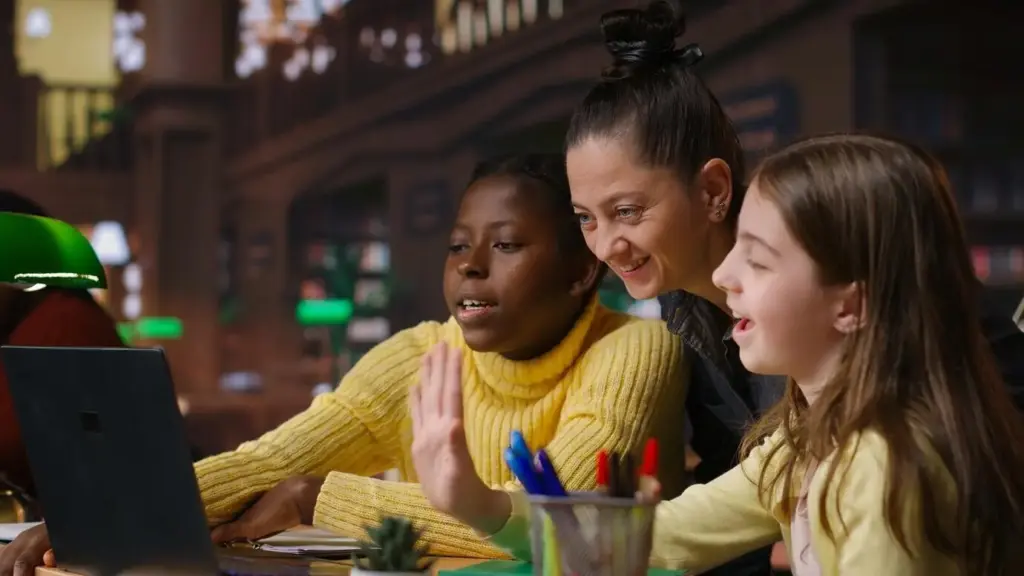
Voice-led experiences can honor different languages, sensory needs, and comfort levels if you plan with care. Use predictable structures, shorter turns, and repeating cues. Alternate languages or blend translation moments that celebrate cultural knowledge. Adjust volume, tempo, and visual supports. Offer hand signals for help and pause. With thoughtful scaffolds, every player contributes meaningfully, and diversity becomes the source of richer questions, humor, and insight that elevate the entire group.

Measuring Progress Without Killing Joy

Families can track growth while protecting playfulness by focusing on stories, strategies, and feelings rather than raw scores. Capture quick notes about successful cooperation, creative problem-solving, and clearer explanations. Let the assistant summarize milestones and highlight new curiosities. Keep achievements cooperative, not comparative. When motivation dips, adjust pacing, introduce fresh formats, or celebrate small wins. Progress becomes a living narrative the whole family co-authors and proudly revisits.

Community, Sharing, and Next Steps

Learning grows faster when stories are shared. Invite relatives, neighbors, or friends to try similar sessions and compare adaptations. Collect favorite prompts, homemade rules, and clever fixes for noisy rooms. Share anonymized insights and respectful questions with fellow readers. Subscribe for fresh prompts, seasonal challenges, and research-backed tips. Together we can refine voice-led cooperation, amplify creativity, and make every household a small laboratory of kindness, curiosity, and collective intelligence.
Mynetyfy
Privacy Overview

This website uses cookies so that we can provide you with the best user experience possible. Cookie information is stored in your browser and performs functions such as recognising you when you return to our website and helping our team to understand which sections of the website you find most interesting and useful.